About Attappadi
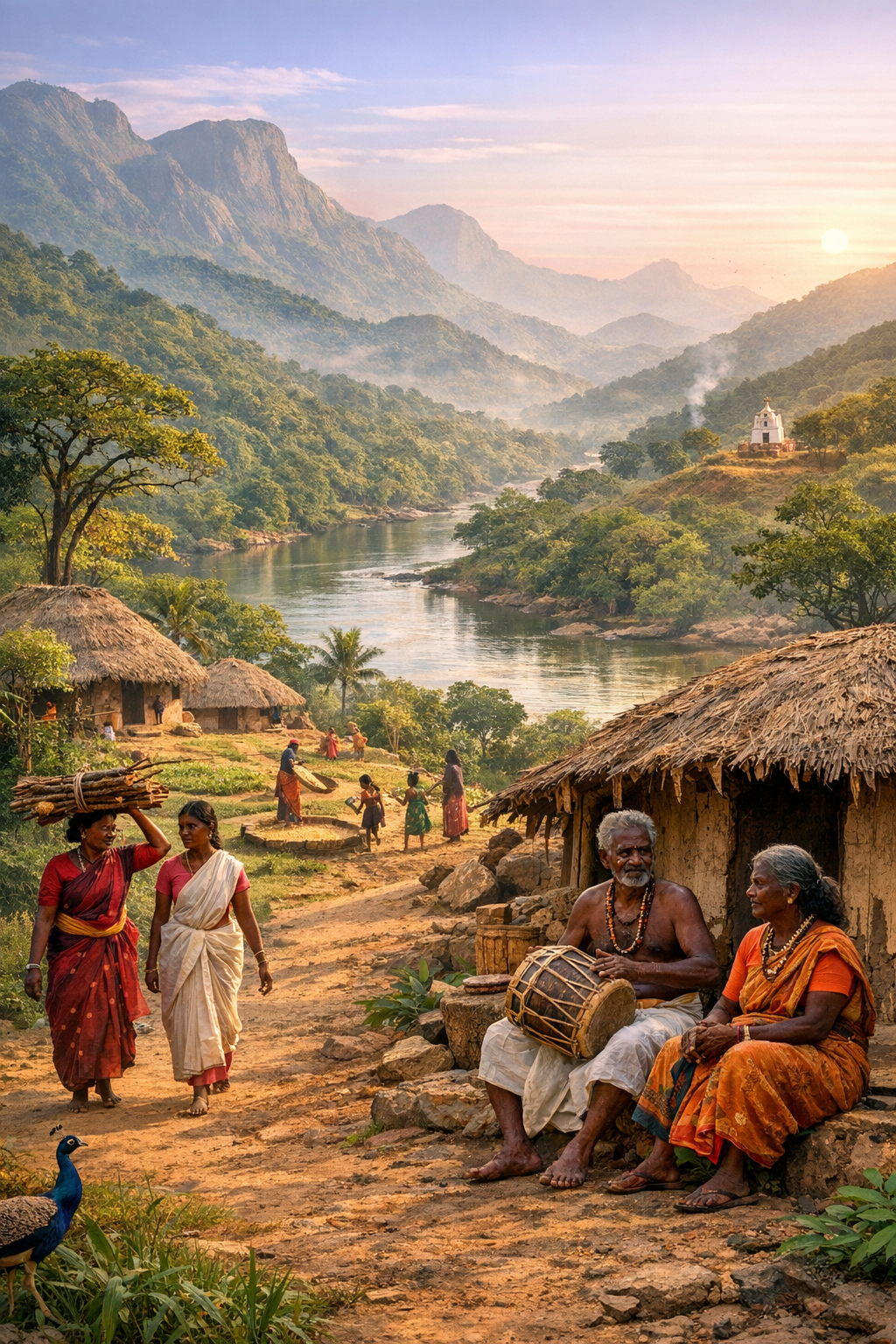
Attappadi is a stunning tribal valley located in the Western Ghats of Kerala’s Palakkad district, near the border of Tamil Nadu. Surrounded by thick forests, rolling hills, sacred mountains, and the flowing Bhavani River, Attappadi is one of Kerala’s most untouched and peaceful eco-tourism destinations. The region forms part of the Nilgiri Biosphere Reserve, making it rich in biodiversity, wildlife, and scenic landscapes.
Attappadi is home to three major indigenous tribal communities — Irula, Muduga, and Kurumba — who have lived in harmony with nature for centuries. Their traditional farming, healing practices, festivals, and spiritual beliefs continue to shape the identity of the valley today. Visitors often come here to experience authentic tribal culture, village life, and sustainable tourism.
History of Attappadi
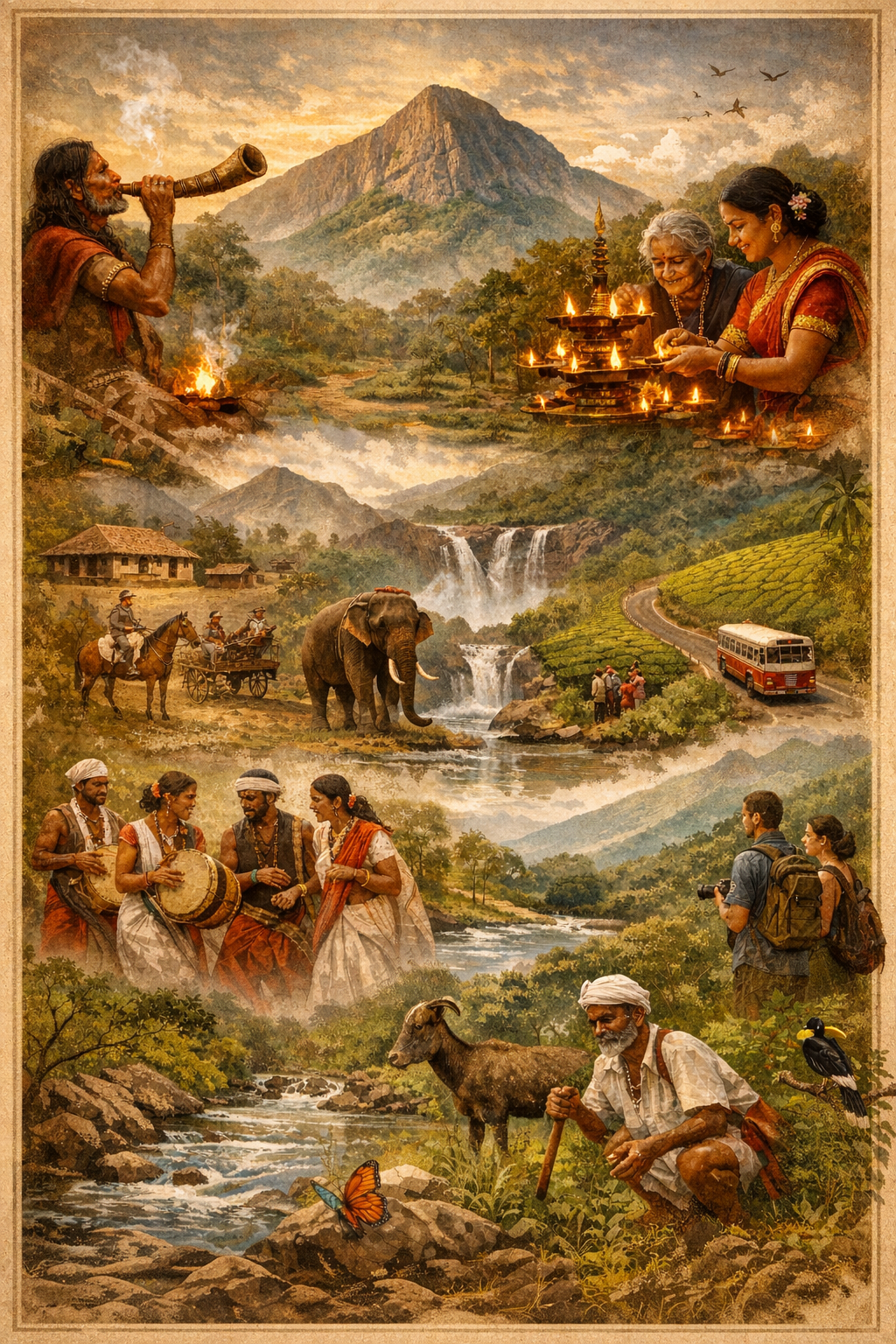
The history of Attappadi is deeply rooted in tribal heritage and ancient forest civilization. For centuries, the valley remained isolated from urban development and was inhabited primarily by indigenous communities who depended on forests, rivers, and traditional agriculture for survival.
The sacred Malleswaran Hills play an important role in local history and spirituality. According to tribal beliefs, Lord Shiva is believed to have meditated here, and the annual Malleswaran Festival (Shivaratri) is still celebrated by tribal communities with rituals, songs, and gatherings.
During the British colonial period, Attappadi became known for its forest resources and plantation potential. Roads and settlements slowly developed, connecting the valley to nearby towns like Mannarkkad and Coimbatore. Despite modernization, Attappadi has preserved much of its natural ecosystem and cultural traditions.
Today, Attappadi is recognized as a key eco-tourism region focused on conservation, tribal welfare, and sustainable travel. It offers visitors a rare chance to experience Kerala’s wild landscapes, ancient culture, and spiritual heritage in one destination.